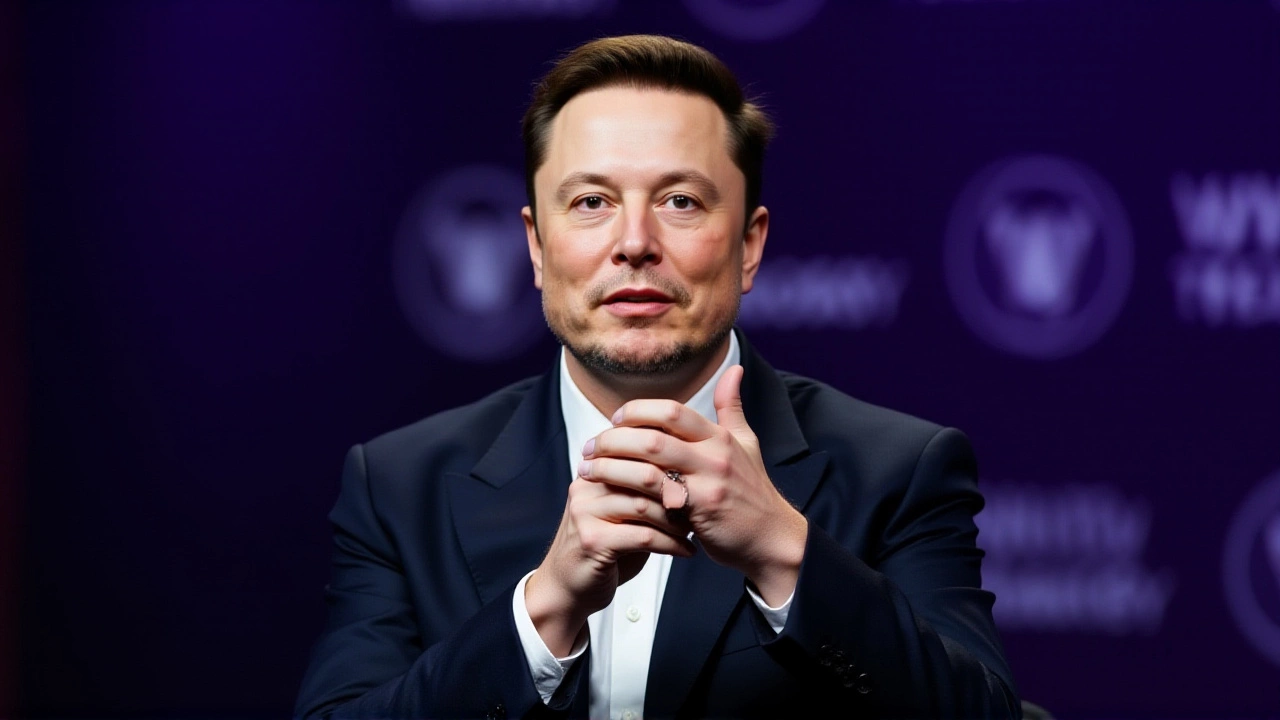
On October 1, 2025, Elon Reeve Musk, the 54-year-old CEO of Tesla, Inc. and owner of X (formerly Twitter), posted a single sentence to his 226 million followers: "Cancel Netflix for the health of your kids." He followed it with a screenshot of his own canceled subscription. Within hours, the hashtag #CancelNetflix exploded across social media. By the next trading day, Netflix had lost $25 billion in market value — a 2-3 percent plunge that erased nearly a quarter-trillion dollars from its $500 billion valuation. The company, headquartered in Los Gatos, California, hadn’t even issued a statement.
What Started the Fire?
The spark was Dead End: Paranormal Park, an animated Netflix series that ran for two seasons before being quietly canceled in 2023. Musk didn’t cite a new show. He didn’t cite a current trend. He cited a show that had been off the platform for over a year. Yet, he reposted content from right-wing activist accounts like Lips of TikTok, which falsely claimed the show promoted “pro-transgender views to seven-year-olds.” He added his own comment: “This is not right.” In another post, he questioned whether Netflix hired based on skin color — then urged followers to cancel.According to Indian media outlets like Prabhat Khabar and News18 Hindi, Musk also used the Hindi word “ghoomar” — a colloquial term implying someone is delusional — to describe the show’s director. He labeled Netflix’s content as “ideological indoctrination,” a phrase he’s repeated across multiple platforms since 2023. The irony? Netflix had already pulled the show. The controversy wasn’t about what was airing — it was about what Musk wanted people to believe was still airing.
The Ripple Effect: A Billion-Dollar Protest
The market reaction was swift. On October 2, 2025, Netflix shares tumbled to their lowest point in over a year. Institutional investors — Vanguard Group and BlackRock, which together control 85% of Netflix’s shares — reportedly held emergency calls. Retail investors, many influenced by Musk’s posts, began flooding forums like Reddit and X with screenshots of canceled accounts. One user posted: “I canceled after seeing Elon’s tweet. I didn’t even watch the show.”But here’s the twist: Netflix’s own data showed no measurable spike in cancellations. The company’s churn rate remained steady at 1.7% monthly — within its historical range. The $25 billion loss wasn’t driven by user behavior. It was driven by fear. Fear of a billionaire’s opinion. Fear of a viral campaign. Fear that public sentiment, however manufactured, could shift overnight.
Who’s Really Targeting Children?
Musk’s campaign tapped into a well-worn cultural anxiety: the idea that streaming platforms are “grooming” kids with progressive content. But experts say the data tells a different story. A 2024 study by the Pew Research Center found that less than 12% of children aged 7–12 regularly watch animated shows with LGBTQ+ themes. Of those, 78% reported feeling “seen” or “understood.”Meanwhile, Netflix’s own parental controls allow families to restrict content by maturity level — a feature used by over 60 million households. Yet Musk didn’t mention those tools. He didn’t suggest filtering. He called for total abandonment. “It’s not about content,” said Dr. Lena Ruiz, a media psychologist at Stanford. “It’s about control. Musk isn’t trying to protect children. He’s trying to punish a company for not aligning with his personal ideology.”
The Silence of Netflix
As of October 2, 2025, Netflix had not responded. Not to Musk. Not to the media. Not to the millions of users who took his word as gospel. That silence, analysts say, is deliberate. “They know engaging feeds the fire,” said Raj Patel, a media strategist who advised Netflix during its 2020 brand overhaul. “If they reply, they give him credibility. If they don’t, they let the noise die on its own.”It’s a risky strategy. But it’s worked before. In 2022, when Musk accused OpenAI of “betraying its open-source roots,” the company stayed quiet. The story faded in 11 days. This time, the stakes are higher. Netflix’s CEO, Ted Sarandos, isn’t just defending a service — he’s defending a cultural institution. And Musk? He’s turning a streaming platform into a political battleground.
What’s Next?
Musk’s campaign didn’t start with Netflix. It’s the latest in a string of battles against what he calls “woke culture.” He’s targeted Disney, Starbucks, and even the World Health Organization. Each time, he uses the same playbook: massive platform reach, emotionally charged language, and a refusal to engage with facts that contradict his narrative.But this time, the market reacted with real dollars. And that’s new. In previous fights, the backlash was cultural. This time, it was financial. That’s what makes this different. If a single tweet can wipe out $25 billion — and no one can stop it — then what does that say about the power of social media in shaping markets?
Netflix’s board, led by co-founder Reed Hastings (net worth $6.6 billion), now faces a choice: stay silent and risk more volatility, or respond and risk legitimizing a campaign built on misinformation. Meanwhile, Musk continues posting — over 26 times in one week — each one a calculated nudge toward cultural chaos.
Why This Matters
This isn’t just about Netflix. It’s about who gets to decide what’s appropriate for children. It’s about whether billionaires should be able to trigger billion-dollar market swings with a single tweet. And it’s about the erosion of nuance — where complex cultural debates are reduced to slogans like “Cancel Netflix.”What happened on October 1, 2025, wasn’t a protest. It was a demonstration of power. And it worked.
Frequently Asked Questions
Did Netflix actually promote 'Dead End: Paranormal Park' in 2025?
No. Netflix canceled the animated series after its second season in 2023, and it was no longer available on its main platform by mid-2024. Musk’s campaign falsely implied the show was still being actively promoted, despite clear public records showing its removal. Netflix never re-released or re-marketed the series in 2025.
How much of Netflix’s market value loss was due to real cancellations?
Virtually none. Netflix’s internal churn data showed no spike in cancellations following Musk’s posts. The $25 billion loss was driven entirely by investor panic and algorithmic trading triggered by social media sentiment. Analysts confirmed the drop was unrelated to user behavior — it was a financial reaction to perceived risk, not actual demand decline.
Why didn’t Netflix respond to Elon Musk’s claims?
Netflix’s leadership, including CEO Ted Sarandos, has a history of avoiding direct engagement with Musk’s provocations. Past experience shows that responding amplifies the controversy. By staying silent, they let the narrative burn out — a strategy that worked after Musk’s 2022 attacks on OpenAI. Silence, in this case, was a calculated business decision, not a sign of weakness.
Is this the first time Musk has targeted a streaming service?
No. Since 2022, Musk has publicly criticized Disney, HBO, and Apple TV+ for what he calls “woke content.” He’s posted similar calls to boycotts, often citing children’s programming. But this was the first time his campaign triggered a market loss exceeding $20 billion. The scale of financial impact makes this unprecedented in his history of online activism.
What role did X (Twitter) play in amplifying this campaign?
X was the engine. Musk’s 226 million followers received his posts directly in their feeds, and he reposted user-submitted cancellation screenshots — creating a feedback loop of perceived mass action. The platform’s algorithm prioritized his content, pushing #CancelNetflix into trending topics globally. Without X’s reach and algorithmic bias, the campaign would have remained a niche outcry.
Could this set a dangerous precedent for other companies?
Absolutely. If a billionaire can trigger a $25 billion market loss with a single tweet — based on misinformation — then any company becomes vulnerable. Brands in education, healthcare, and even food and beverage are now on alert. The precedent suggests that public perception, not product quality or consumer choice, may soon dictate corporate survival.