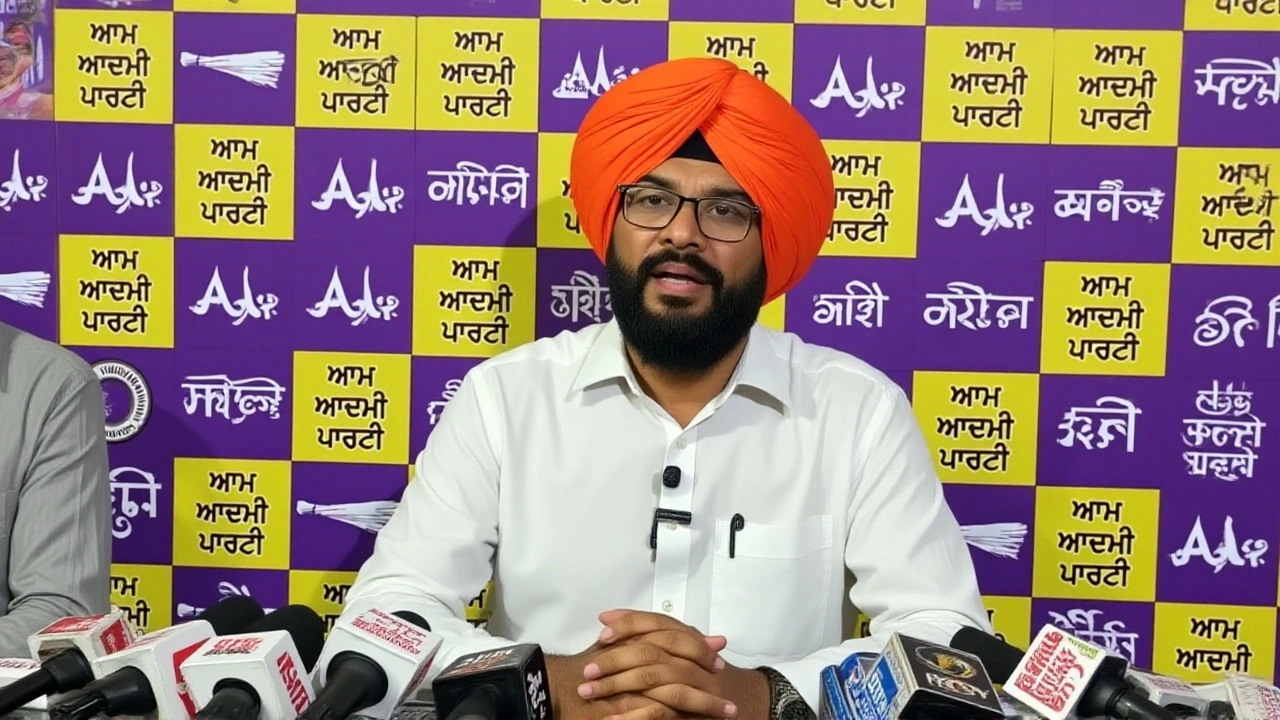
When Kuldeep Dhalival, MLA and spokesperson for the Aam Aadmi Party, pointed a finger at the ruling party for recent violence in Amritsar, the political temperature in Punjab spiked. The accusation came just days after a series of bomb blasts rocked parts of the holy city, leaving residents on edge and opponents scrambling for answers.
Here’s the thing: Dhalival didn’t mince words. In a statement that quickly circulated across social media platforms like YouTube, he directly held the Bharatiya Janata Party responsible for the explosions. It’s a bold move in a state where political rhetoric often borders on the theatrical, but this time, the stakes felt higher. Residents were still cleaning up debris when the blame game began.
A City on Edge
The blasts weren’t isolated incidents. They occurred in a densely populated area, causing panic among locals who are already wary of security threats. While official police reports have been slow to release detailed timelines, eyewitnesses described hearing loud booms late at night. The immediate aftermath saw emergency services rushing to the scene, but questions about responsibility lingered.
Dhalival’s comments weren’t made in a vacuum. They followed a pattern of escalating tensions between opposition parties and the central government in Punjab. For many voters, this isn’t just about politics—it’s about safety. When bombs go off in your neighborhood, you don’t wait for a press conference to ask who’s to blame. You look for someone to hold accountable. That’s exactly what Dhalival did.
Beyond the Blasts: A Track Record of Accountability
But wait—this isn’t the first time Dhalival has taken a hardline stance. Just weeks earlier, he made headlines for a different reason entirely. He was spotted inspecting a pond construction site in Amritsar, visibly furious at the quality of materials being used. Instead of just complaining, he filed an FIR against the contractor.
“If there is malpractice in work, jail will be the result,” he warned other contractors publicly. This zero-tolerance approach to corruption has earned him respect among some constituents, even as it draws fire from business groups. It paints a picture of a politician willing to get his hands dirty—literally and figuratively—to push for accountability. Whether this translates to electoral success remains to be seen, but the message is clear: he’s not backing down.
The Shadow of Past Violence
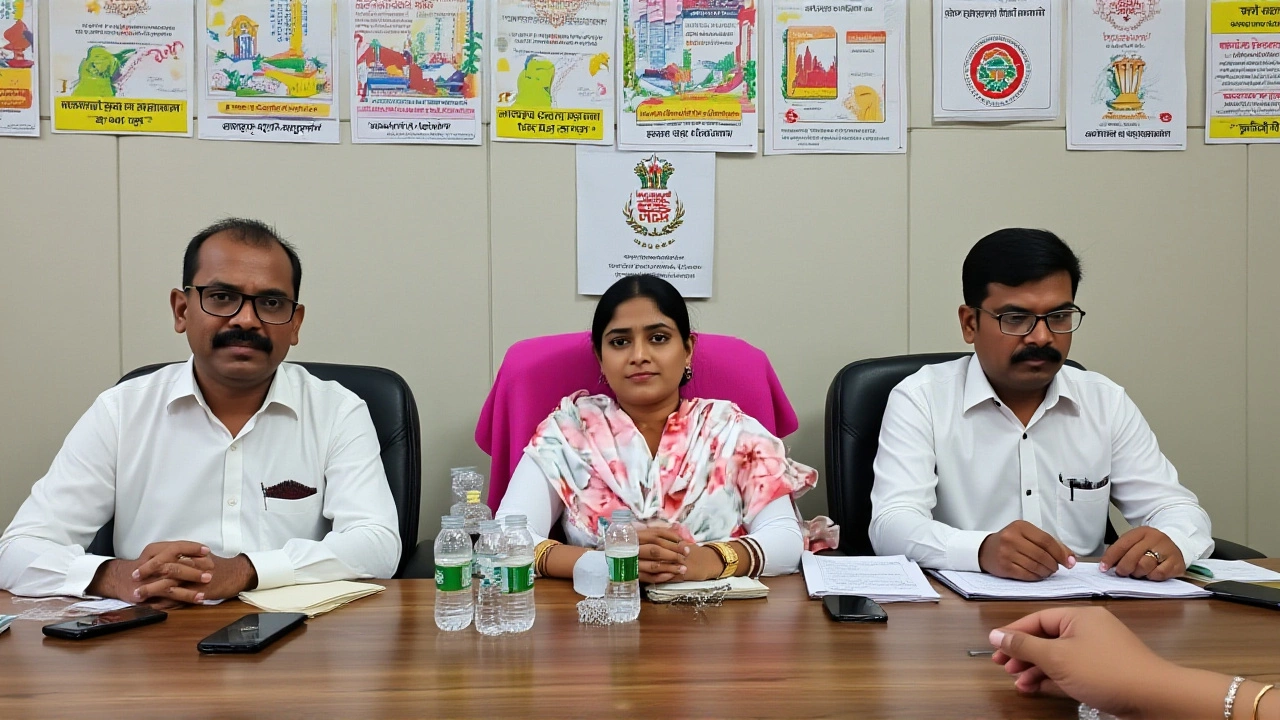
To understand the gravity of these accusations, we need to look back. Amritsar has a history of political violence, most notably during the Lok Sabha election cycle last year. Remember the attack on an AAP meeting? Gunmen targeted the gathering, resulting in the death of one leader and several injuries. That incident, reported by outlets like ANB, left scars on the community and heightened security concerns.
Those events weren’t forgotten. They loom large over current discussions about safety and governance. When Dhalival accuses the BJP now, he’s tapping into those memories. It’s a strategic move, linking past trauma with present instability. Critics might call it opportunistic, but supporters see it as necessary truth-telling in a chaotic environment.
Political Fallout and Public Reaction
The reaction has been swift. Supporters of the AAP have rallied behind Dhalival, sharing his videos widely. On the other hand, BJP spokespersons have dismissed the claims as baseless propaganda designed to stir unrest. They argue that law enforcement agencies are handling the investigation professionally, without political interference.
Locals, however, remain divided. Some appreciate the outspoken criticism, feeling ignored by mainstream narratives. Others worry that such rhetoric could incite further tension. One shop owner in Amritsar told reporters, “We just want peace. Politics comes and goes, but our lives are here every day.” That sentiment captures the mood on the ground—exhaustion mixed with hope for change.
What’s Next?
As investigations continue, all eyes are on the Punjab Police. Their findings will determine whether Dhalival’s accusations hold water or fade into political noise. Meanwhile, the AAP is likely to use this moment to galvanize its base ahead of future elections. Expect more aggressive campaigning and sharper exchanges in the coming months.
For now, Amritsar waits. The city has endured too much to ignore these developments. Whether this leads to meaningful reform or merely another chapter in Punjab’s turbulent political saga depends on actions, not just words. And in politics, actions always speak louder.
Frequently Asked Questions
Who is Kuldeep Dhalival?
Kuldeep Dhalival is a Member of the Legislative Assembly (MLA) and a prominent spokesperson for the Aam Aadmi Party (AAP) in Punjab. He represents the Amritsar constituency and is known for his vocal criticism of both local contractors and national political rivals.
Why did Dhalival blame the BJP for the bomb blasts?
Dhalival accused the Bharatiya Janata Party (BJP) of creating an environment conducive to violence through their governance policies. He argued that the ruling party’s failure to ensure security directly contributed to the recent explosions in Amritsar, though no formal evidence has been presented yet.
What happened with the pond construction controversy?
Dhalival discovered substandard materials being used in a public pond construction project in Amritsar. He immediately filed a First Information Report (FIR) against the contractor and issued a stern warning to others that malpractice would lead to imprisonment, showcasing his strict stance on corruption.
Is there a history of political violence in Amritsar?
Yes, Amritsar has experienced significant political violence, including a deadly attack on an AAP meeting during the previous Lok Sabha election cycle. That incident resulted in one death and multiple injuries, highlighting ongoing security challenges in the region.
How are locals reacting to these accusations?
Reactions are mixed. Some residents support Dhalival’s boldness, believing it highlights neglected issues. Others fear that such heated rhetoric may exacerbate tensions. Many simply express fatigue, prioritizing stability and safety over political blame games.